AI’s Strengths and Drawbacks
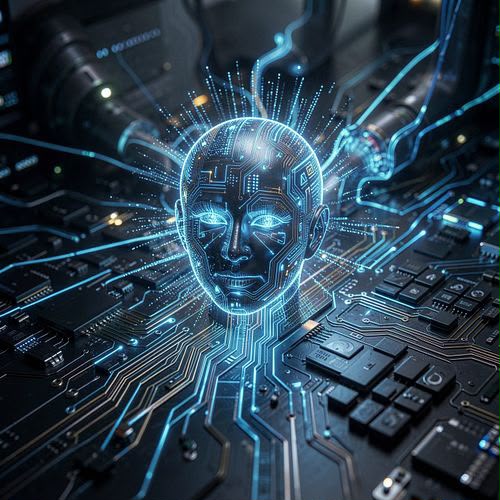
Amid rapid technological development, particularly the rise of artificial intelligence (AI), which is spreading across nearly every field, opinions about AI are increasingly divided. Some people are enthusiastic about these changes, while others raise serious concerns. In my view, although AI brings substantial benefits, it should be adopted responsibly and used with careful consideration.
To begin with, AI has already improved education in significant ways. It supports teachers, especially new educators, in designing lesson plans, worksheets, and quizzes. A few years ago, teachers often struggled to create enough supplementary materials for their students. Today, specialized AI tools for educators can help draft and organize these resources more efficiently. As a result, teachers can devote more time to instruction and to individualized student support.
In addition, AI has become an important part of everyday life. Many people rely on AI systems when they have questions or uncertainty about topics ranging from health to general knowledge. For example, if a person experiences certain symptoms, they can consult AI for information about possible conditions and potential next steps. This can help users understand issues more clearly; however, it is essential to remember that AI should not replace professional medical advice.
Moreover, AI has transformed creative and commercial tasks, particularly photo editing and advertisement design. With appropriate tools, users can add, remove, or modify images to achieve the desired results. In the same way, AI can generate marketing materials for different purposes, making advertisement creation more accessible to individuals and organizations. Consequently, many people can produce effective promotional tasks easily and quickly.
Despite the numerous advantages that the artificial intelligence (AI) offers, it also presents several significant drawbacks.
To start with, learners of all ages may become overly dependent on AI tools during their studies. For instance, students often use these tools to answer questions, write essays, and solve scientific exercises. As a result, their analytical skills and critical thinking abilities may decline.
Furthermore, AI has also contributed to job displacement. In particular, workers in areas such as translation, editing, and content creation may face reduced opportunities or unemployment as companies increasingly rely on AI systems. For example, some companies have laid off employees or reduced their workforce due to AI’s efficiency, which has ultimately contributed to rising unemployment rates.
Besides, some individuals misuse AI and treat it as an all purpose solution. They may assume that AI can diagnose or even cure diseases instantly and at no cost. For instance, many people have begun to skip medical appointments for routine checkups because they interact daily with AI tools that provide health information. In some cases, they place more trust in AI than in qualified physicians. However, there have been reports of severe outcomes, including deaths, among patients who relied on AI guidance for medical decisions.
In conclusion, there is no denying the valuable benefits that AI has brought to our lives. However, responsible and informed use is still essential for all users.
Tania Aboukors
August 10,2026